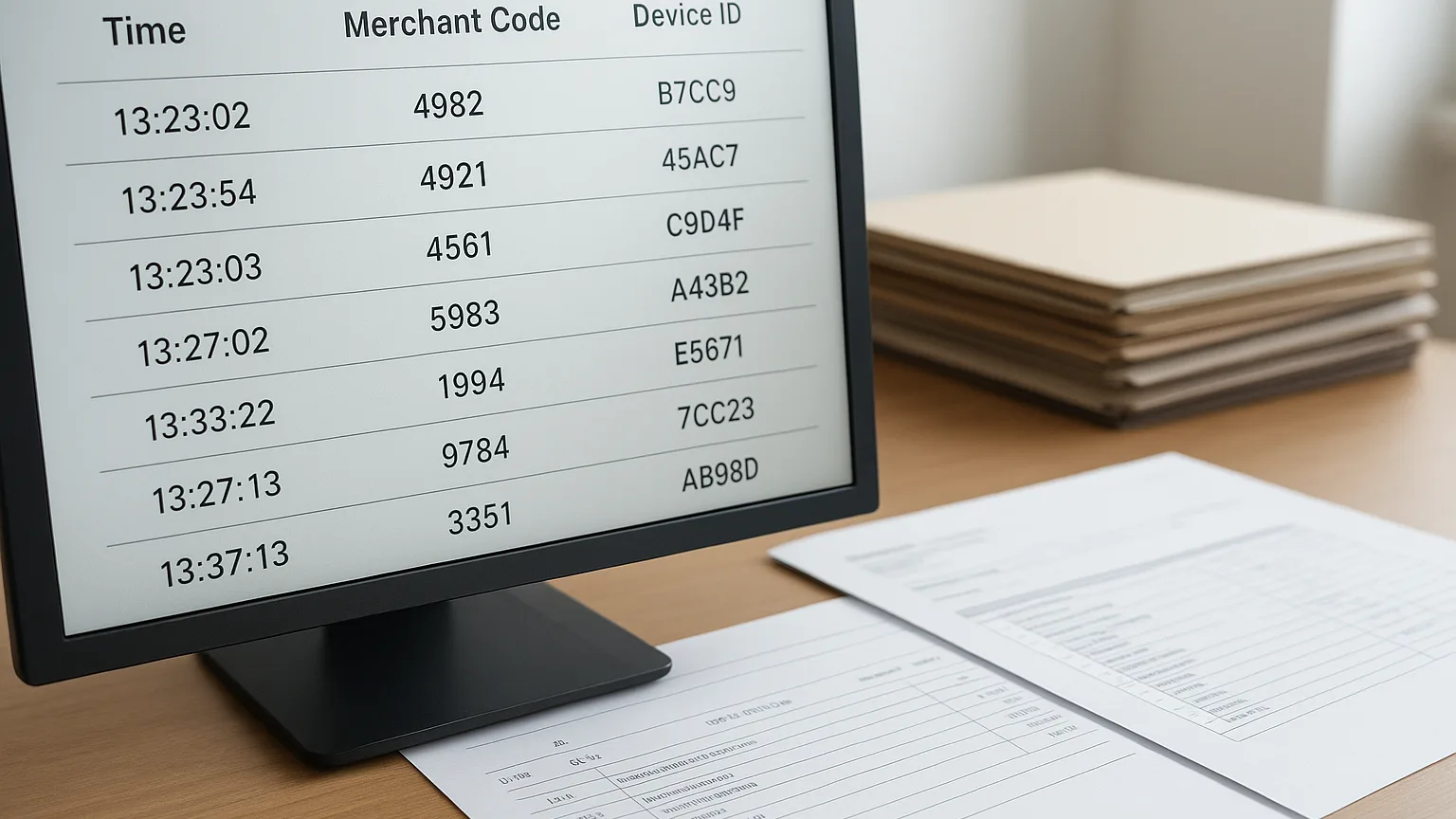
Money moves fast. A card tap takes about two seconds. Yet in that short time it leaves a trail that can show who paid, where, when, and from which device. This series shows you how to read that trail and how to save it before it fades.
It is written for attorneys, paralegals, investigators, and anyone building a case that turns on a payment. Fraud claims, asset disputes in a divorce, employee theft, and contract fights often hinge on one charge. The hard part is time. Payment records sit with many companies, and most of them delete data on a fixed schedule. Wait too long and the proof is gone.
The series was shaped with input from ePay Management, a payment provider that works with law firms. Their view from inside the payment flow helped keep each part grounded in how real transactions move.
Detecs investigators move fast to locate, document and preserve the evidence your case depends on.
Get a Free Consultation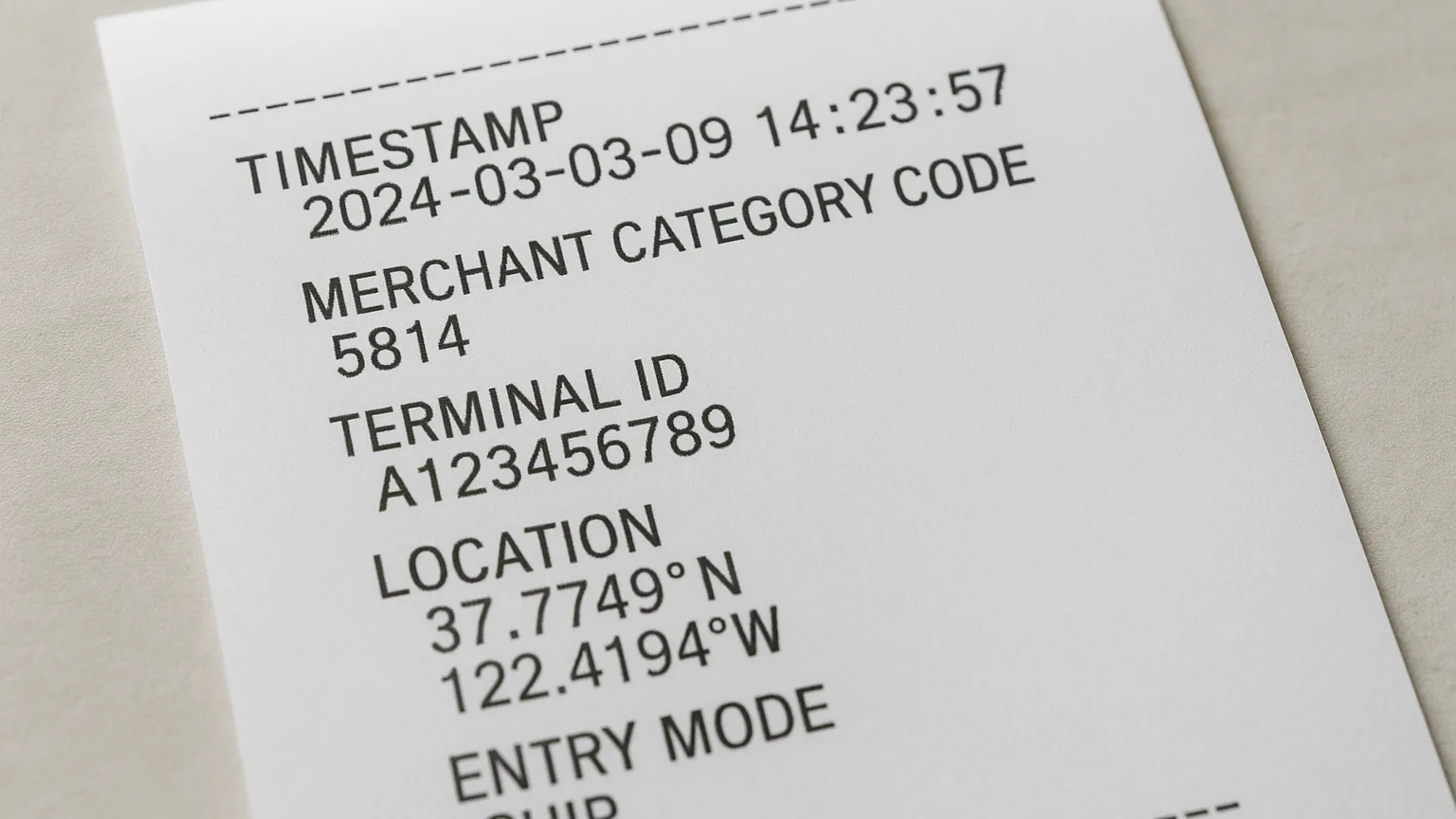
The series starts at the checkout counter. When a card is swiped, tapped, or typed in online, the terminal sends a request to a processor. The processor passes it along a card network to the bank that issued the card. The bank says yes or no, and the answer races back the same way.
Each stop on that path writes its own log. Later, the merchant settles the day's sales in a batch, which creates even more records. So one purchase does not live in one place. It lives in several, and each copy can be checked against the others. Knowing the route tells you exactly where to ask for proof, and which party saw what.
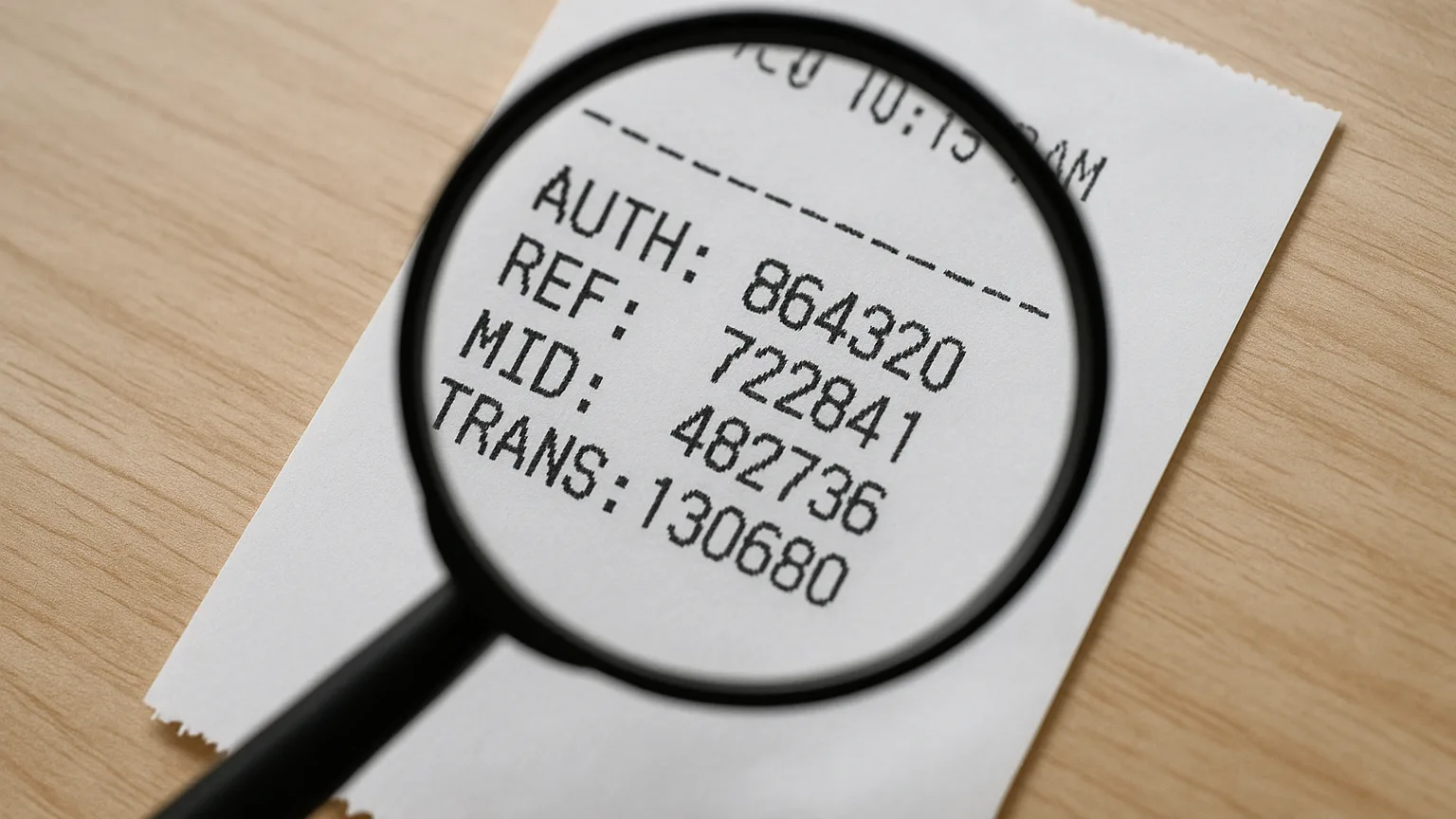
Next, the series opens up the record itself. A transaction looks like a single line on a statement, but behind it sits a set of fields that each tell part of the story:
Why does this matter? These fields are made by machines in the normal course of business. People did not write them to win a case, which makes them hard to fake and easy to trust. They can back up a witness, or quietly show that a story does not add up. A charge keyed in by hand at 2 a.m. in another state says a lot on its own.
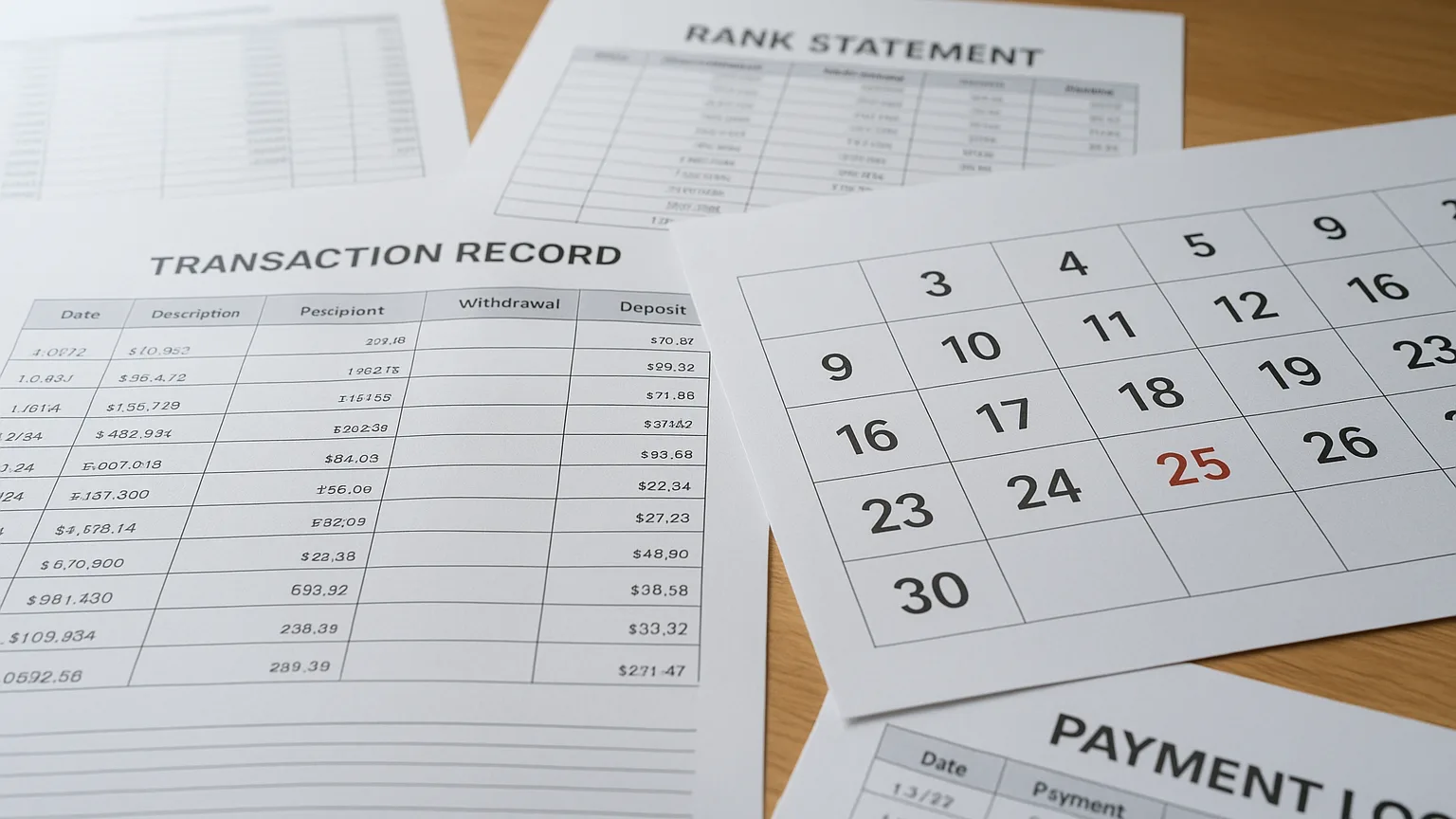
The last stretch of the series turns from reading records to keeping them. Four kinds of companies hold pieces of the trail: issuing banks, processors, merchants, and card networks. Each one keeps a different slice, and each one keeps it for a different length of time.
A bank may hold monthly statements for years, while the detailed approval logs behind them may not last nearly as long. A small merchant might clear out its point of sale logs or store camera footage within weeks. Processors often hold the device level details that nobody else has. The gaps between these schedules are where cases get lost.
That is why acting early counts. A prompt preservation request can:
If payment records are new to you, begin with the first part and read in order. Each part builds on the one before it, moving from how a swipe travels, to what it records, to who keeps it.
If you already have a statement in hand, jump to the part on transaction fields. If a deadline is close and you worry the data is about to vanish, go straight to the part on record holders. Every part stands on its own, so you can start wherever the trail is coldest.
Asset searches, financial research and discreet surveillance from a licensed team.
Each part stands on its own, so jump to the one that matches where your case is stuck.

An elite team of private detectives and private investigators diligently serving individuals, businesses, and legal firms worldwide.