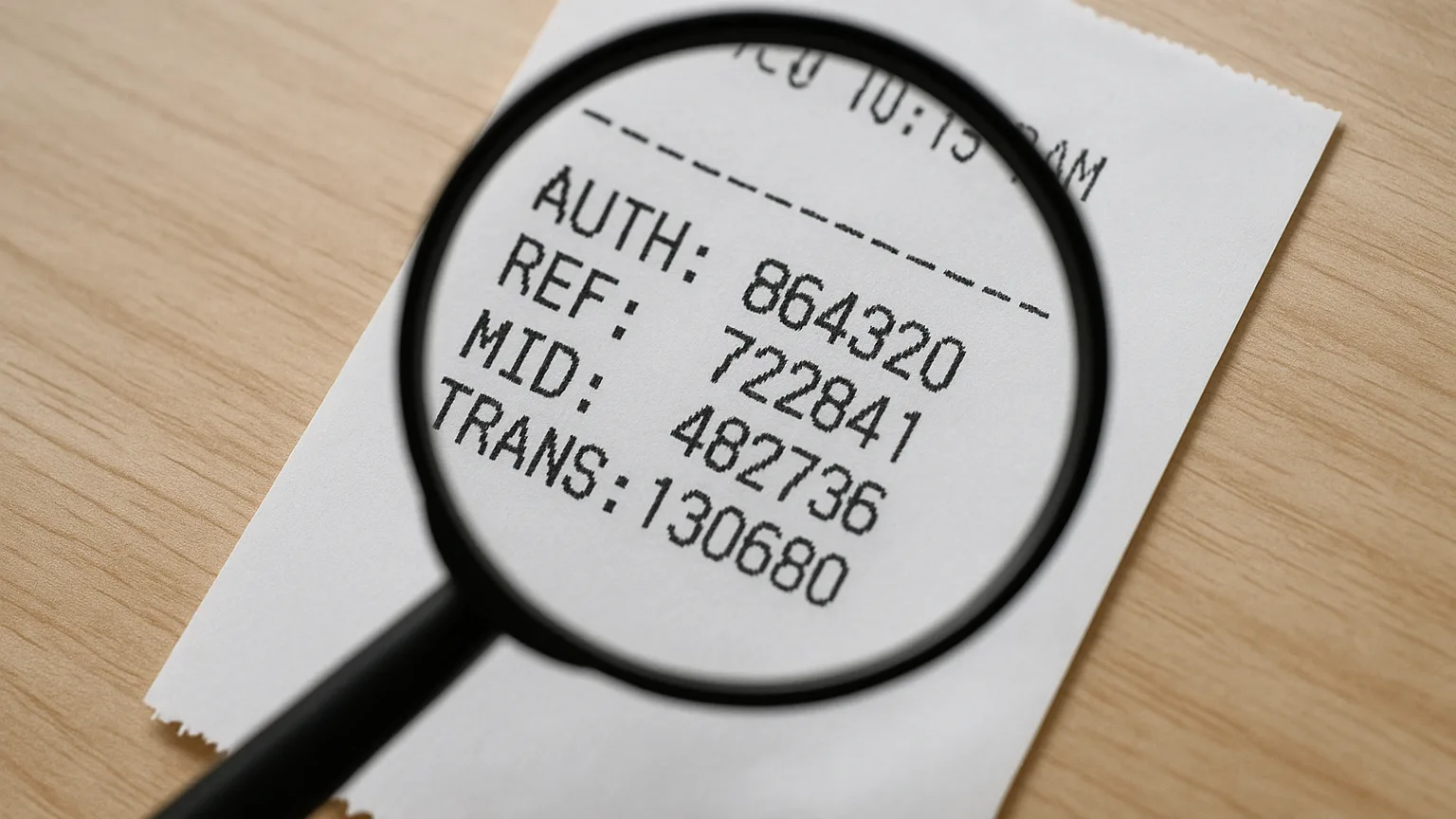
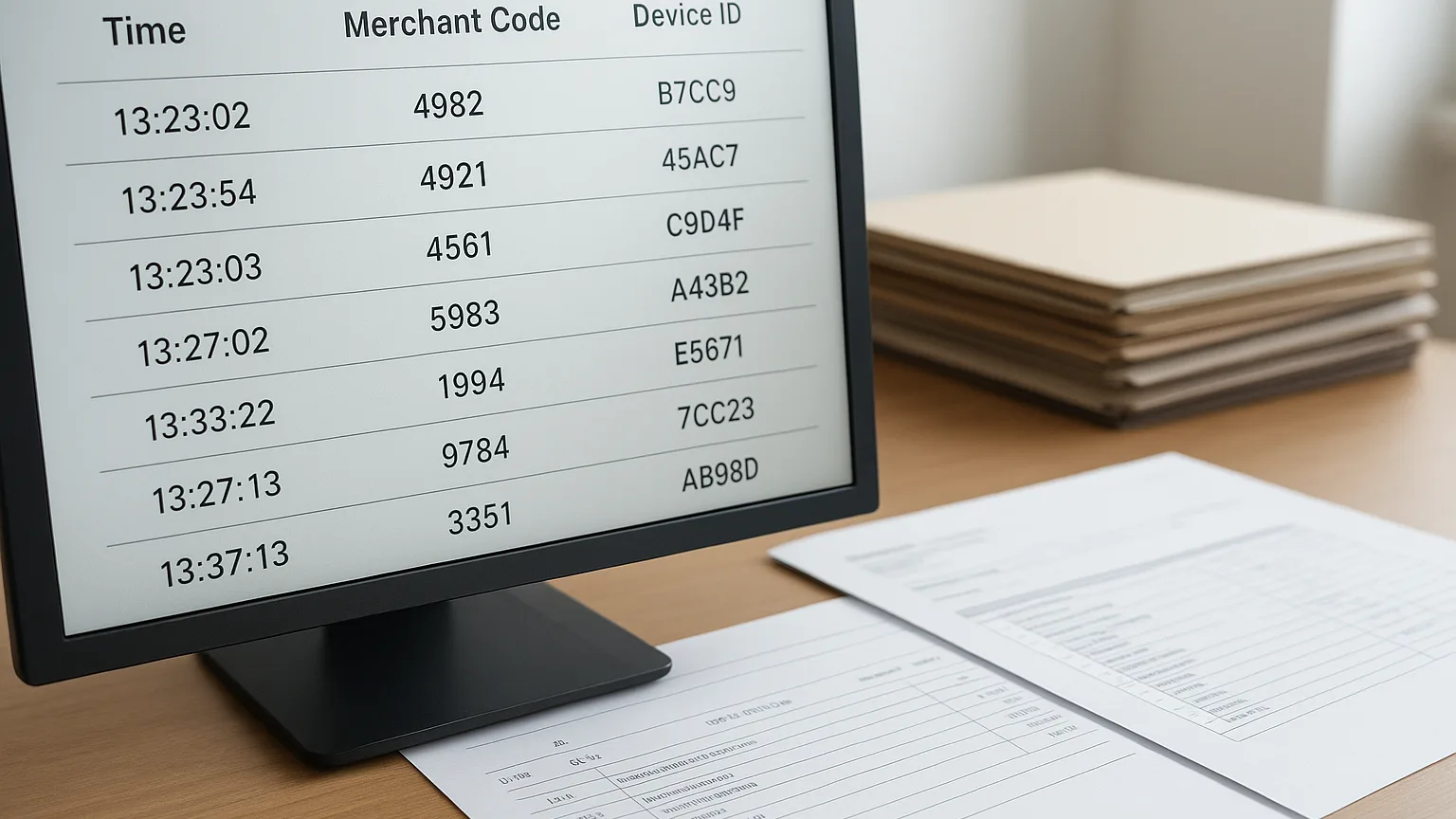
The fields inside a transaction record, such as the timestamp, the merchant code and the device ID, can show where money went and who moved it. But a field only helps if someone still has the file. The hard part is knowing who holds it and how long they plan to keep it, since that decides which request goes out first in the race to read payment records.
This guide draws on insights from ePay Management, whose work with attorneys and merchants on payment processing shaped how this topic is framed here. The focus is practical: what real record keepers do with payment data and when it quietly disappears.
A single card payment does not land in one place. It gets copied. Each party along the way keeps its own version for its own reasons, and each one clears it out on its own schedule.
Think of these as four filing cabinets in four different buildings. The copies are not the same. The store may have the video that shows a face. The bank may have the phone that approved the charge. Most cases need at least two of them, and the clock is running on all four at once.
Detecs investigators move fast to locate, document and preserve the evidence your case depends on.
Get a Free Consultation
No single rule covers every party. Laws set a floor for some records, and business habits decide the rest. The timelines below are typical, not promises. Always ask the holder directly.
Stores are the most likely to lose data fast. Many security camera systems record over themselves in 30 days or less. Point of sale logs may roll over in a few months. Card security rules also push merchants to store as little card data as possible, so the full card number is often masked or gone the same day.
The upside is that merchants hold details no one else has, like which register was used, which employee rang the sale and what was in the bag. That context turns raw transaction record fields into a story a judge can follow.
Processors usually keep settlement and funding records for years because they need them for audits, taxes and chargebacks. The richer data is less safe. Raw authorization logs, IP addresses and terminal diagnostics are often kept for a much shorter time.
Processors sit in the middle of the path laid out in the moments after a swipe, so they can often tie a merchant ID to a bank account. That link is gold when funds were routed somewhere they should not have been.
Networks route the payment but rarely act as a direct source in a case. Their most useful records tie to disputes. Chargeback windows often run around 120 days from the sale, and network level detail can be hard to reach without going through a bank or processor first.
Banks tend to keep account records the longest. In the United States, federal rules require many bank records to be kept for five years. Statements and transaction histories are usually safe for a while. Login logs, device data and call recordings are another matter. Those often follow shorter internal schedules and can vanish well before the statement does.
Deletion is rarely sinister. It is routine. A system purges old logs every night, and nobody notices. A preservation request asks the holder to pause that routine for specific records. Sent early, it can save evidence that a subpoena three months later would only find missing.
Lawyers who work closely with payment systems, including the team at ePay Management, stress the same point: be precise. A vague letter asking for "all records" gets filed and forgotten. A clear one gets acted on.
Send it to every keeper at once, not one after another. Then follow up in writing. A request to a party in the case can trigger a duty to preserve. A request to an outside company may be a courtesy until a subpoena or court order backs it, so move quickly to formal process.
It also helps to choose contacts wisely. Payment companies that take compliance seriously, and say so openly in their stated business ethics, usually have a clear desk for legal requests and respond faster.
A card payment starts as a two second event and leaves copies in four places: the merchant, the processor, the card network and the issuing bank. Each copy holds different proof, from timestamps and device IDs to camera footage and login history. Each one also sits on its own deletion schedule, and the most revealing details are often the first to go.
Knowing how the payment moved, what the record contains and who keeps it gives you the full picture. The last step is the one that matters most: act early. A precise preservation request, sent to every keeper on day one and backed by formal process, is what keeps the money trail warm long enough to tell the truth.
Asset searches, financial research and discreet surveillance from a licensed team.
Each part stands on its own, so jump to the one that matches where your case is stuck.

An elite team of private detectives and private investigators diligently serving individuals, businesses, and legal firms worldwide.