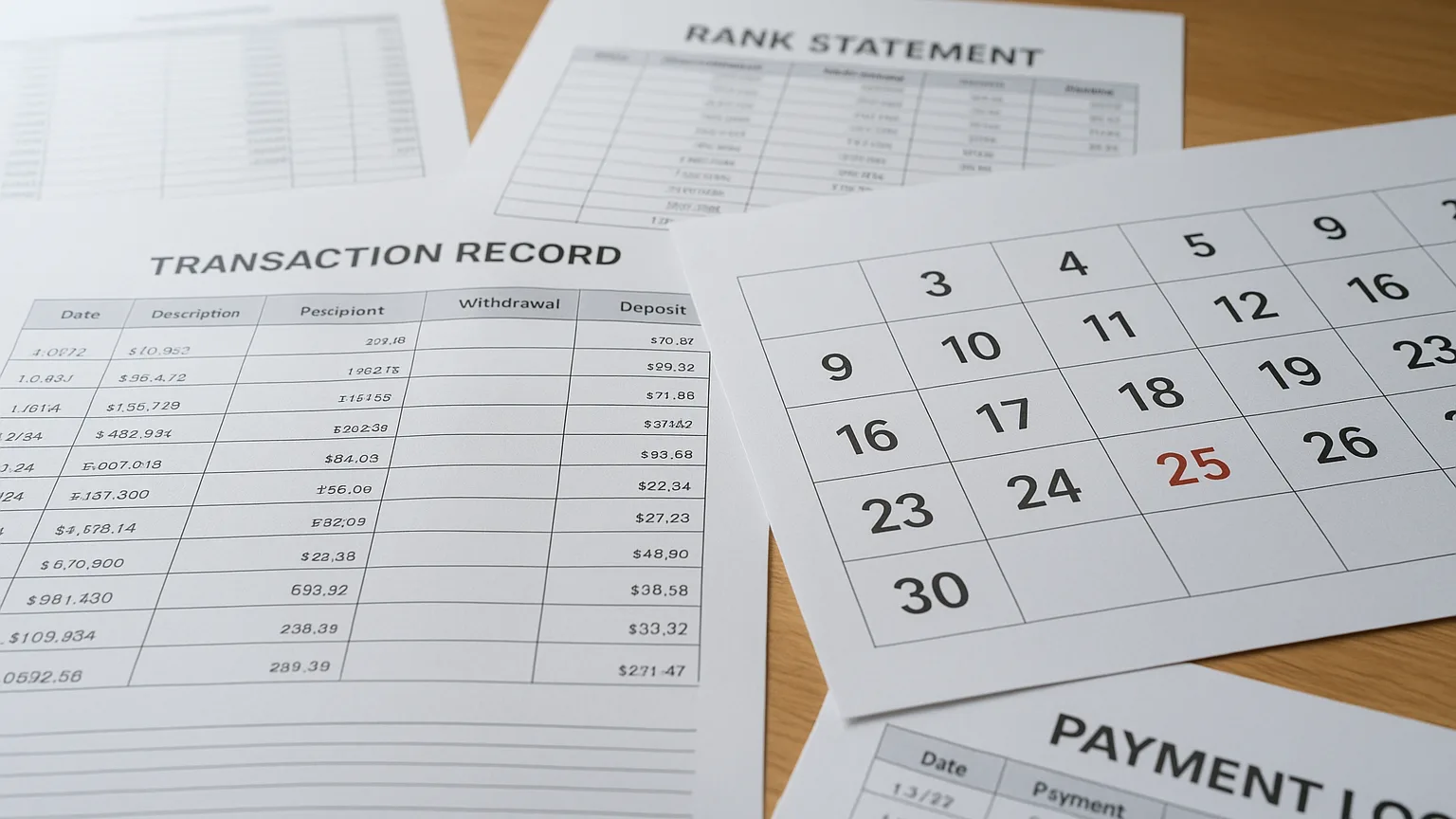
Picture a man buying gas at 11:52 on a Tuesday night. He taps his card, the pump beeps, and he drives off. To him, it was nothing. To a lawyer six months later, that tap might be the only proof he was in that town, at that hour, with that card.
A card payment feels instant, but it is really a short relay race. A message leaves the terminal, passes through several companies, and comes back with a yes or a no. Each company that touches it writes something down. Those notes are the money trail. Some last for years and some get wiped in weeks, so mapping the trail from swipe to deletion tells you which ones to chase first.
The ideas here draw on insights from ePay Management, whose work with attorneys and payment systems frames this topic as a chain of records, not a single receipt.
Here is what happens before the screen says "Approved":
The answer races back down the same path in a second or two. But the records it leaves behind do not all live on the same clock.
Detecs investigators move fast to locate, document and preserve the evidence your case depends on.
Get a Free Consultation
Think of each stop as a witness that saw the same payment from a different angle. One record can be questioned. Four records that agree are hard to argue with.
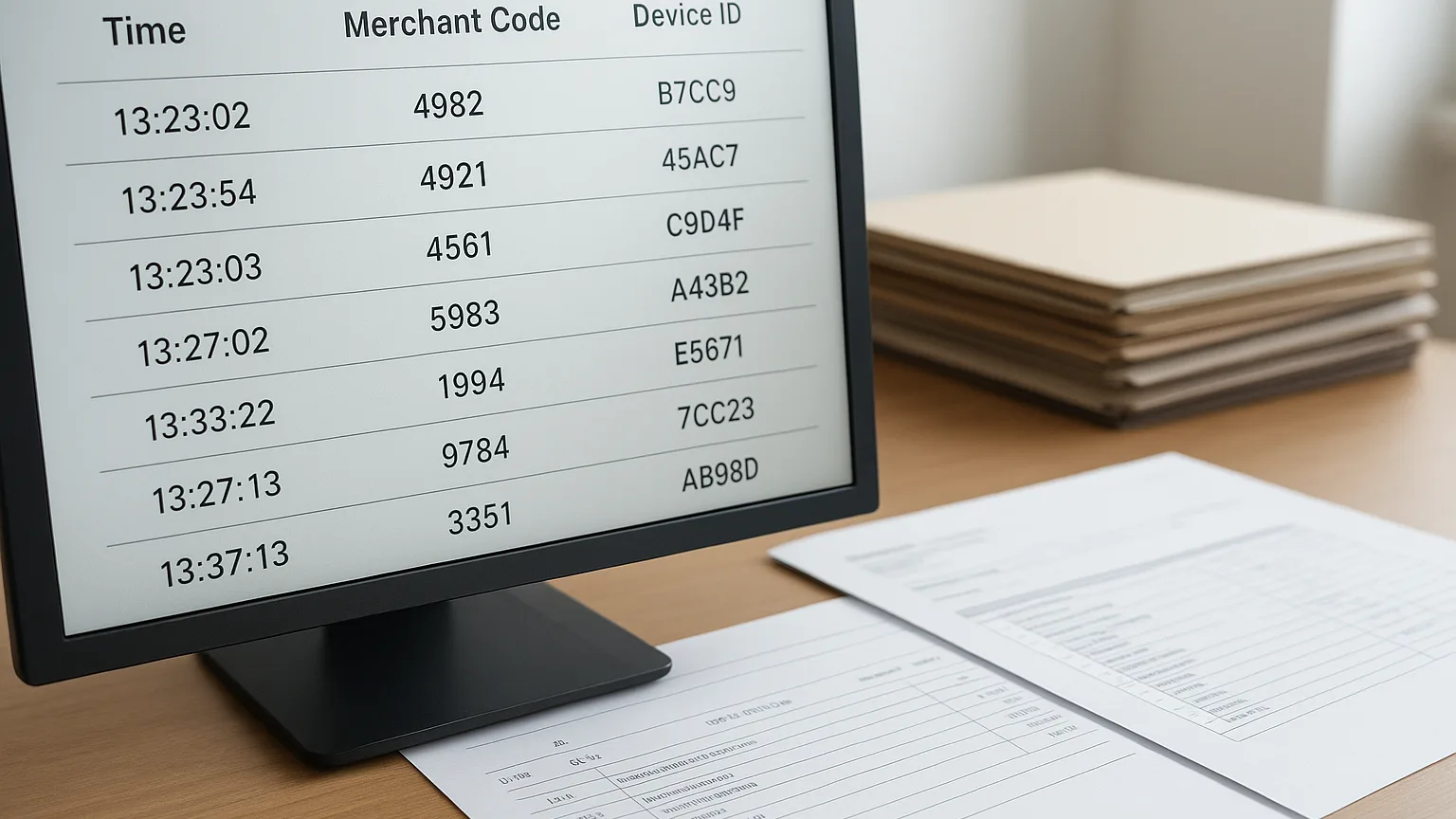
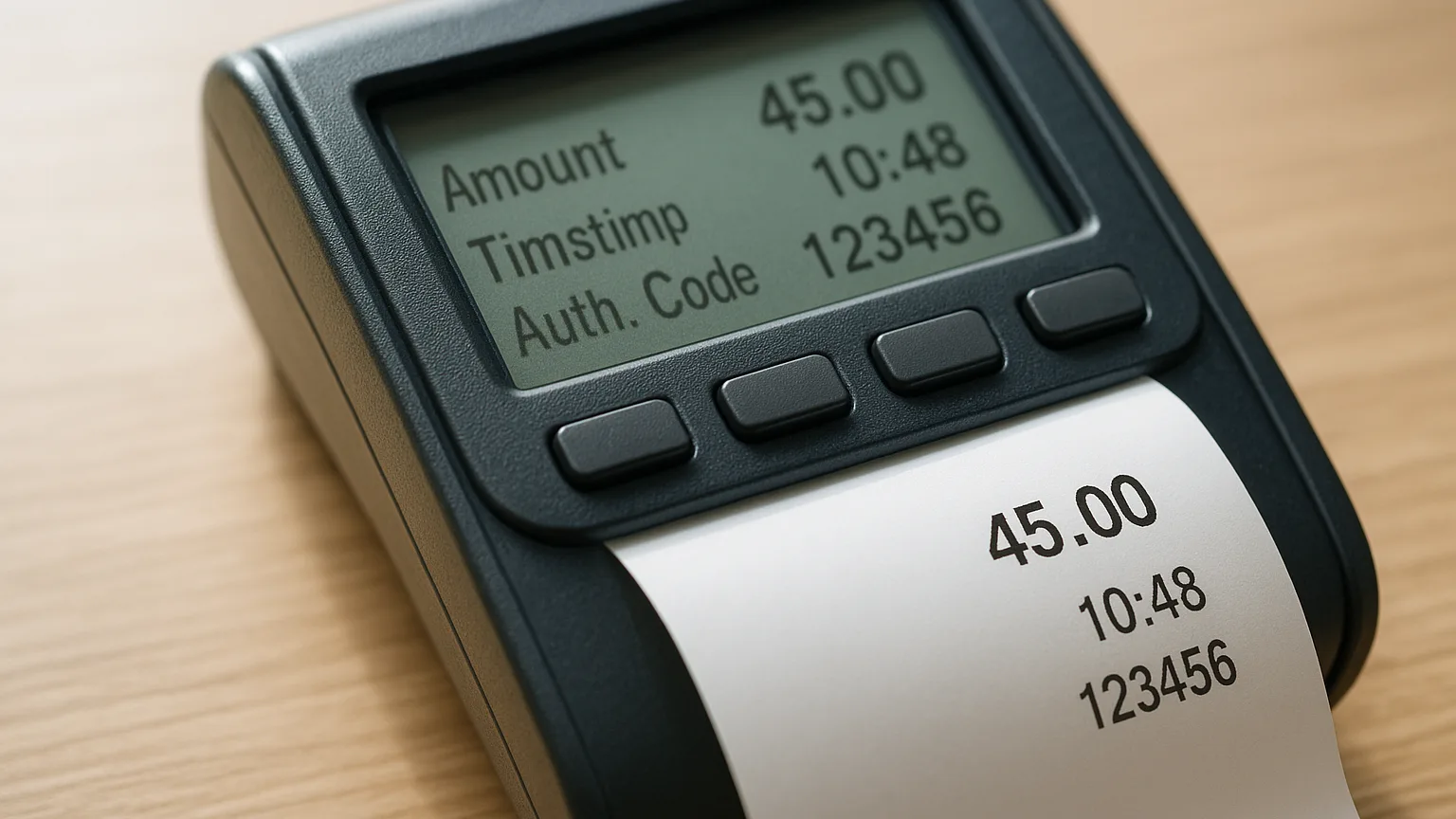
The card reader is the first to know. It logs the time, the amount, and how the card was used: tapped, inserted, swiped, or typed in by hand. It may record which register or pump handled the sale, and the merchant's system often ties it to an order number, a cashier, or a shift.
This is also the most fragile stop. Small shops may run older devices that only hold recent batches. Once a batch is sent and closed, the local copy may be cleared to make room.
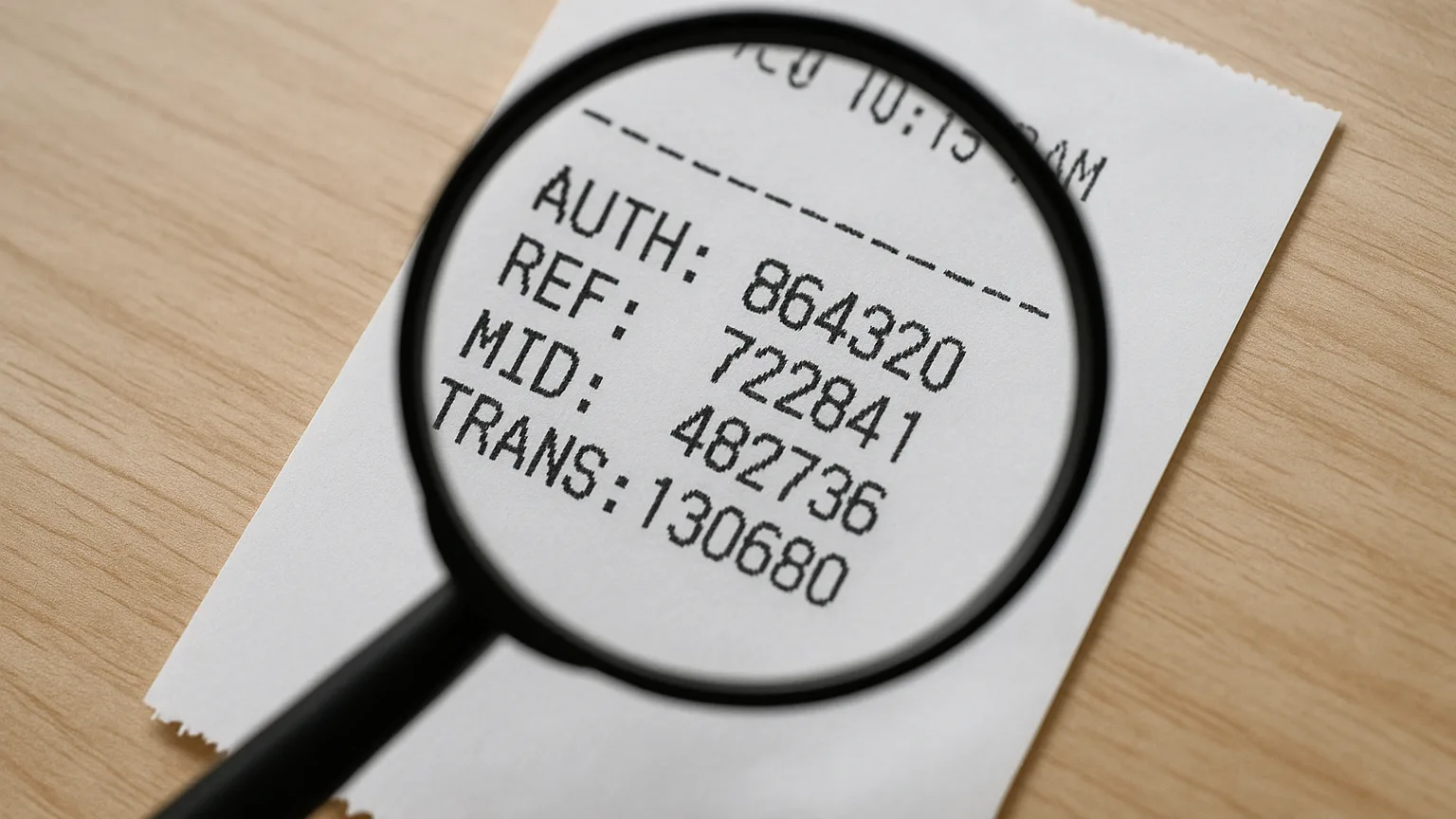
The processor is the merchant's back office for card sales. It keeps the authorization request, the response code, and the batch the sale was settled in. Authorization says "this was approved." Settlement, usually later that day or overnight, says "this money actually moved." A case can turn on the gap between the two, like a hold that was placed but never charged.
"People think the receipt is the record, but the receipt is just a summary," says Daniel Reyes, senior payments specialist at ePay. "The processor's logs show the approval, the timing, and the settlement as separate events, and that detail is often what settles a dispute."
The network is the traffic controller. It does not hold the customer's account, but it keeps its own routing data. It also runs the rules for disputes and chargebacks, so its records often come into play when a charge is challenged.
The issuing bank makes the final call. It checks the balance, runs fraud checks, and approves or declines. Its internal file holds far more than the cardholder's statement shows, including declined attempts that never appear on paper.
Declines are a quiet goldmine. A string of failed attempts at odd hours can show someone was testing a stolen card long before the charge that finally went through.
Here is the trouble. The person who needs these records usually finds out months later. By then, the trail has started to thin, piece by piece, starting at the edges. What tends to fade first:
Bank statements stick around the longest, which is why people lean on them. But a statement is the thinnest version of the story: a merchant name and an amount. It rarely shows the device, the entry method, or the attempts that came first.
A fraud claim may hinge on whether the card was physically present. A divorce may turn on spending a spouse swore never happened. An injury case may use a coffee purchase to fix someone's location minutes before a crash. In each, the closer you get to the original stop, the more detail you find.
A single entry holds far more than a date and a dollar figure. Those buried details, from timestamps to merchant category codes to device clues, are covered in our guide to the transaction fields that prove a case. And because each stop keeps records on its own schedule, timing becomes a strategy of its own. Sending requests to the right holder early stops routine cleanup from erasing the best evidence, a step laid out when you lock down payment records before they are deleted.
A card tap looks like one moment, but it is really four records made by four players. Together they can prove when money moved, where it went, and how. The receipt in someone's wallet is just the shortest version of that story.
The catch is time. The richest details sit closest to the counter, and those are often the first to vanish. Anyone who may need to prove a payment, or disprove one, should treat the trail like a fresh footprint in sand. Know where it was made, know who is holding each piece, and move before the tide comes in.
Asset searches, financial research and discreet surveillance from a licensed team.
Each part stands on its own, so jump to the one that matches where your case is stuck.

An elite team of private detectives and private investigators diligently serving individuals, businesses, and legal firms worldwide.